 Cette demande vous semble-t-elle étrange ? Êtes-vous comme de nombreux PMs qui fuient les audits comme la grippe H1N1 ? Les considérez-vous comme une perte de temps au mieux et un assassin potentiel de projet dans les cas extrêmes ?
J’ai partagé ces « a priori » mais cela n’est pas une fatalité. Les audits sont utiles, peuvent être productifs et apporter des avantages réels à votre projet ainsi qu’à vous-même.
Je suggère de commencer par le début : qui a commandité l’audit ? Pourquoi ? Qui sont les auditeurs ? Quelle est l’objet précis de l’audit?
J’ai découvert à l’expérience qu’en répondant à la dernière de ces questions, c’est-à-dire la portée de l’audit, on répond souvent aux autres. En effet, une fois partagé et compris, l’objet mettra en évidence plusieurs secteurs d’investigation et de revue. Cela pourrait être les pratiques de management de projet, les dépenses, la qualité des livrables, la sécurité, l’état d’avancement, les détails du plan de projet ou une combinaison de ceux-ci et d’autres.
Avec un peu de réflexion et de discussion avec les auditeurs, cela devrait expliquer les raisons et identifier le commanditaire. Le type d’auditeurs vous recevez, internes ou cabinets de conseil externes, généralistes ou auditeurs spécialisés, en dit également long sur l’importance accordée à l’audit et son but.
 Par exemple, pendant un projet de construction et déploiement de progiciel de gestion intégrée (PGI), nous avons eu un audit interne. Une fois compris que le focus était essentiellement de s’assurer que nous contrôlions correctement dépenses et risques, il fut facile pour l’équipe de fournir les évidences de ce que nous faisions dans ces domaines. Nous avons montré notre processus de suivi des dépenses, notre méthode de suivi des affectations, le journal des questions ouvertes et le registre des risques. Le responsable financier a été rassuré par les résultats de l’audit. De plus, les auditeurs nous ont aidés à aller plus loin dans notre management des risques en nous permettant d’organiser une session de revue et de brainstorming sur les risques avec le comité exécutif du projet.
La suggestion suivante est de comprendre le processus que les auditeurs prévoient de suivre. Il est en effet important de comprendre leur approche pour mieux préparer l’équipe à cet événement qu’ils peuvent initialement percevoir de manière négative. En général, cela commence par des entretiens avec des membres clefs de l’équipe et les commanditaires du projet, souvent précédés par des requêtes de documentation pour pré-analyse. L’étape suivante implique des entretiens additionnels pour entrer plus profondément dans des questions spécifiques.
Un exemple basé sur mon expérience personnelle est sur un projet informatique où nous avions rencontré de graves problèmes pendant le déploiement. En tant que PM junior, je n’avais ni l’expérience ni le charisme pour « manager » un auditeur (externe dans ce cas). Il est venu et a exécuté son show sans expliquer le pourquoi et le processus à qui que ce soit. Dès le départ, il a émis des commentaires négatifs. L’équipe est devenue très préoccupée et quelque peu défensive. Les personnes ont fourni tous les documents demandés, mais d’une façon peu structurée. Il n’y avait pas d’histoire d’ensemble pour mettre les données brutes dans leur contexte. L’audit a pris beaucoup de temps et était très stressant pour tous. Au bout du compte, le rapport n’a pas aidé le projet à traverser cette période difficile. Dans ce cas spécifique, un audit, qui pouvait apporter la valeur, n’a réussi qu’à tuer un projet. Je garde encore un souvenir déplaisant de cette expérience certes utile mais par trop douloureuse.
 Vous devriez aussi prendre en compte le fait que les auditeurs feront certainement des points de suivi avec la direction et les commanditaires. Ils partageront leur état avancement à ces sessions, exposeront leurs découvertes, testeront leurs idées initiales (pour voir les réactions potentielles) et, plus tard, ils présenteront leurs recommandations (intermédiaires puis finales).
L’année dernière, je fus nommé leader pour l’audit d’une application interne. Comme j’avais été plusieurs fois du coté de l’audité, j’ai placé une attention particulière à expliquer les jalons et l’approche de l’audit. Nous avons discuté du périmètre proposé et de qui ferait quoi. Nous avons partagé nos observations au fur et à mesure avec l’équipe pour éviter les surprises. Nous leur avons donné l’occasion de faire des remarques (ce qu’ils ont fait et nous les avons prises en considération). Nous avons partagé nos recommandations avec l’équipe de projet avant de le faire avec la direction. Nous avons aussi aidé à définir et mettre en place un plan d’action pour adresser les points identifiés. Nous avons même ensuite (après l’audit) assuré un suivi de l’exécution de ces plans d’action. Cela, je suis certain, fut beaucoup plus bénéfique à la société qu’un simple rapport.
Indépendamment du scénario, le point clé pour le PM est de supporter activement les auditeurs pendant leurs investigations. Nous devons leur fournir toutes les informations appropriées en totale transparence et demander à nos membres de l’équipe projet de faire de même. Nous nous attacherons aussi à dégager du temps pour eux dans nos agendas surchargés. Nous voulons être des partenaires positifs et de valeur. En agissant ainsi, nous pouvons espérer gagner le privilège d’être impliqués dans la préparation des documents et sessions pour la direction. Ce peut être limité à valider la justesse des faits rapportés et ceci est déjà très utile. Ce peut être de comprendre ce qu’ils vont mettre en évidence et même de discuter certaines de leurs recommandations intermédiaires.
Dans mon rôle de PM, si les auditeurs me demandent mes attentes de l’audit, je mets en évidence 2 points majeurs :
- Obtenir des recommandations de valeur pour améliorer le projet
- Équité envers les membres de l’équipe.
L’étape suivante est l’achèvement de l’audit et de la production des recommandations. Inévitablement, il y en aura certaines avec lesquelles vous êtes d’accord ou que vous pouvez comprendre. Il y aura d’autres qui seront plus difficiles à accepter. Dans tous les cas, il est absolument critique de rester positif et ouvert. Passer en mode défensif n’aiderait en rien. De plus, gardez à l’esprit que les recommandations des consultants et auditeurs sont une chose; le choix des recommandations sur lesquelles la direction décidera d’agir est une autre affaire (bien plus critique pour vous et votre projet).
Dès que vous comprenez quelles actions correctives ou d’amélioration sont retenues, partagez celles-ci avec l’équipe projet de manière positive. Il est fréquent que le rapport complet des auditeurs ne soit pas diffusé. Seuls les points principaux des rapports sont présentés. Ceux qui engagent l’équipe sur des actions productives.
En conclusion, je suggère que, si votre projet n’est pas encore audité, vous considériez quels domaines pourraient être améliorés par un conseil externe et sollicitiez un audit sur ceux-ci : Demandez de l’aide avant que quelqu’un au-dessus de vous ne décide que vous avez besoin d’être aidés.
 Sur de nombreux projets, vous constaterez que les auditeurs vous aideront énormément à améliorer certains aspects comme le contrôle du périmètre, la rigueur dans la gestion des demandes de changement ou l’engagement de vos sponsors dans le management des risques. Les auditeurs portent un œil externe sur votre projet et sont donc bien plus objectifs que vous ne pouvez l’être.
Auditez mon projet !
Cette injonction vous semble-t-elle étrange ? Êtes-vous comme de nombreux PMs qui fuient les audits comme la grippe H1N1 ? Les considérez-vous comme une perte de temps au mieux et un assassin potentiel de projet dans les cas extrêmes ?
J’ai partagé ces « a priori » mais cela n’est pas une fatalité. Les audits sont utiles, peuvent être productifs et apporter des avantages réels à votre projet ainsi qu’à vous-même.
Je suggère de commencer par le début : qui a commandité l’audit ? Pourquoi ? Qui sont les auditeurs ? Quelle est l’objet précis de l’audit?
J’ai découvert à l’expérience qu’en répondant à la dernière de ces questions, c’est-à-dire la portée de l’audit, on répond souvent aux autres. En effet, une fois partagé et compris, l’objet mettra en évidence plusieurs secteurs d’investigation et de revue. Cela pourrait être les pratiques de management de projet, les dépenses, la qualité des livrables, la sécurité, l’état d’avancement, les détails du plan de projet ou une combinaison de ceux-ci et d’autres.
Avec un peu de réflexion et de discussion avec les auditeurs, cela devrait expliquer les raisons et identifier le commanditaire. Le type d’auditeurs vous recevez, internes ou cabinets de conseil externes, généralistes ou auditeurs spécialisés, en dit également long sur l’importance accordée à l’audit et son but.
Par exemple, pendant un projet de construction et déploiement de progiciel de gestion intégrée (PGI), nous avons eu un audit interne. Une fois compris que le focus était essentiellement de s’assurer que nous contrôlions correctement dépenses et risques, il fut facile pour l’équipe de fournir les évidences de ce que nous faisions dans ces domaines. Nous avons montré notre processus de suivi des dépenses, notre méthode de suivi des affectations, le journal des questions ouvertes et le registre des risques. Le responsable financier a été rassuré par les résultats de l’audit. De plus, les auditeurs nous ont aidés à aller plus loin dans notre management des risques en nous permettant d’organiser une session de revue et de brainstorming sur les risques avec le comité exécutif du projet.
La suggestion suivante est de comprendre le processus que les auditeurs prévoient de suivre. Il est en effet important de comprendre leur approche pour mieux préparer l’équipe à cet événement qu’ils peuvent initialement percevoir de manière négative. En général, cela commence par des entretiens avec des membres clefs de l’équipe et les commanditaires du projet, souvent précédés par des requêtes de documentation pour pré-analyse. L’étape suivante implique des entretiens additionnels pour entrer plus profondément dans des questions spécifiques.
Un exemple basé sur mon expérience personnelle est sur un projet informatique où nous avions rencontré de graves problèmes pendant le déploiement. En tant que PM junior, je n’avais pas l’expérience ni le charisme pour « manager » l’auditeur (un externe dans ce cas). Il est venu et a exécuté son show sans expliquer le pourquoi et le processus à qui que ce soit. Dès le départ, il a émis des commentaires négatifs. L’équipe est devenue très préoccupée et quelque peu défensive. Les personnes ont fourni tous les documents demandés, mais d’une façon peu structurée. Il n’y avait pas d’histoire d’ensemble pour mettre les données brutes dans leur contexte. L’audit a pris beaucoup de temps et était très stressant pour tous. Au bout du compte, le rapport n’a pas aidé le projet à traverser cette période difficile. Dans ce cas spécifique, un audit, qui pouvait apporter la valeur, n’a réussi qu’à tuer un projet. Je garde encore un souvenir déplaisant de cette expérience certes utile mais par trop douloureuse.
Vous devriez aussi prendre en compte le fait que les auditeurs feront certainement des points de suivi avec la direction et les commanditaires. Ils partageront leur état avancement à ces sessions, exposeront leurs découvertes, testeront leurs idées initiales (pour voir les réactions potentielles) et, plus tard, ils présenteront leurs recommandations (intermédiaires puis finales).
L’année dernière, j’étais nommé leader pour l’audit d’une application interne. Comme j’avais été plusieurs fois du coté de l’audité, j’ai placé une attention particulière à expliquer les jalons et l’approche de l’audit. Nous avons discuté du périmètre proposé et de qui ferait quoi. Nous avons partagé nos observations au fur et à mesure avec l’équipe pour éviter les surprises. Nous leur avons donné l’occasion de faire des remarques (ce qu’ils ont fait et nous les avons prises en considération). Nous avons partagé nos recommandations avec l’équipe de projet avant de le faire avec la direction. Nous avons aussi aidé à définir et mettre en place un plan d’action pour adresser les points identifiés. Nous avons même ensuite (après l’audit) assuré un suivi de l’exécution de ces plans d’action. Cela, je suis certain, fut beaucoup plus bénéfique à la société qu’un simple rapport.
Indépendamment du scénario, le point clé pour le PM est de supporter activement les auditeurs pendant leurs investigations. Nous devons leur fournir toutes les informations appropriées en totale transparence et demander à nos membres de l’équipe projet de faire de même. Nous nous attacherons aussi à dégager du temps pour eux dans nos agendas surchargés. Nous voulons être des partenaires positifs et de valeur. En agissant ainsi, nous pouvons espérer gagner le privilège d’être impliqués dans la préparation des documents et sessions pour la direction. Ce peut être limité à valider la justesse des faits rapportés et ceci est déjà très utile. Ce peut être de comprendre ce qu’ils vont mettre en évidence et même de discuter certaines de leurs recommandations intermédiaires.
Dans mon rôle de PM, si les auditeurs me demandent mes attentes de l’audit, je mets en évidence 2 points majeurs :
1. Obtenir des recommandations de valeur pour améliorer le projet
2. Équité envers les membres de l’équipe.
L’étape suivante est l’achèvement de l’audit et de la production des recommandations. Inévitablement, il y en aura certaines avec lesquelles vous êtes d’accord ou que vous pouvez comprendre. Il y aura d’autres qui seront plus difficiles à accepter. Dans tous les cas, il est absolument critique de rester positif et ouvert. Passer en mode défensif n’aiderait en rien. De plus, gardez à l’esprit que les recommandations des consultants et auditeurs sont une chose; le choix des recommandations sur lesquelles la direction décidera d’agir est une autre affaire (bien plus critique pour vous et votre projet).
Dès que vous comprenez quelles actions correctives ou d’amélioration sont retenues, partagez celles-ci avec l’équipe projet de manière positive. Il est fréquent que le rapport complet des auditeurs ne soit pas diffusé. Seuls les points principaux des rapports sont présentés. Ceux qui engagent l’équipe sur des actions productives.
En conclusion, je suggère que, si votre projet n’est pas encore audité, vous considériez quels domaines pourraient être améliorés par un conseil externe et sollicitiez un audit sur ceux-ci : Demandez de l’aide avant que quelqu’un au-dessus de vous ne décide que vous avez besoin d’être aidés.
Sur de nombreux projets, vous constaterez que les auditeurs vous aideront énormément à améliorer certains aspects comme le contrôle du périmètre, la rigueur dans la gestion des demandes de changement ou l’engagement de vos sponsors dans le management des risques. Les auditeurs portent un œil externe sur votre projet et sont donc bien plus objectifs que vous ne pouvez l’être.
partagez ce billet avec vos amis, collègues et relations professionnelles
 http://www.greatsummary.com/
 http://www.larousse.fr/dictionnaires
 Certains enrichiront des communications, accroîtront la capacité à joindre les contacts de l’équipe projet étendue, permettront de développer de manière collaborative et de stocker la documentation projet ou produit, supporteront la création de réseaux professionnels axés projet, faciliteront le brainstorming et amélioreront la productivité.
 There are many collaboration tools coming with Web 2.0 that project managers will find usage for. Some will enrich communications, increase reach ability in the extended project team, develop and hold part of the project or product documentation, set up project related professional networks, facilitate brainstorming, and improve productivity.Some can be obtained for free, others for money. Your requirements for confidentiality and security will play a key role in your selection process.
  why are Project Management certifications important?
 Does this title sound odd to you? Are you like many PMs trying to escape audits as much as possible? Do you consider them as a waste of time at best and a potential killer in extreme cases?
 For example, we were audited during an Enterprise Resource Planning (ERP) system construction and deployment. It was an internal audit. Once we understood that the focus was essentially to ensure that we were in control of project spend and managing the risks correctly, it was easy for the team to provide clear evidence of what we were doing in these areas. We showed our expenses tracking process, time tracking method, issues log and risk register. The Chief Finance Officer was reassured by the findings. Additionally, the auditors helped us to further highlight our top risks to the steering committee during a specific risk management brainstorming and review session with them.
 You should also consider that the auditors will most certainly have some checkpoints with management and audit sponsors. They will share their progress at these sessions, expose findings, test the water on initial ideas (to see potential reactions), and at a later stage present recommendations (draft and final).
 We shared our recommendations with the project team before management and also helped define and put in place action plans to address the identified issues. We even followed up after the audit on execution of these action plans. This, I am sure, was much more beneficial to the company than a one-off report.
 As a conclusion, I suggest that if your project is not yet being audited, you consider which areas could be improved using external advice and eventually solicit an audit on these: Get help before someone above you decides that you need to be helped.
 Le Problème :
 Au lieu de demander au groupe de répondre à une question oralement, demandez leur plutôt de prendre 2 minutes pour noter leur idée, question, ou recommandations sur un Post-It. Demandez alors à chaque personne de partager l’un des commentaires qu’ils ont écrits.
 There are Five Dimensions of Service that Project Managers should keep in mind as they provide project management services to their customers and teams.
 La méthode de la chaîne critique ou théorie des contraintes élaborée dans l’industrie mérite que nous nous y intéressions de très près en management de projet !
 Le susdit est dans l’intérêt de la compagnie …
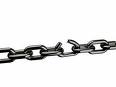 The method of the critical chain or « theory of constraints » is coming from manufacturing and I believe it deserves very close attention. At

 I’d like in this post to explain why I believe that, as Programme/Project directors or Projects Portfolio Managers (I’ll use the PMs abbreviation in the rest of the article), we are ideally skilled to become transformation leaders in our companies and organizations.
 Continuous Improvement Process (CIP, or CI)
 The very name of this blog, DantotsuPM, is about constantly thriving to improve our PM skills. One of the main issues with incremental and continuous improvements is that the better you conduct them, the less visible they are. I mean that when you manage these changes really well: you will have prepared the organization, gradually introduced changes and followed up to ensure they are functioning properly… Your greatest testimony of success is when people think of these changes as natural evolutions rather than revolutions. But how can we get proper management attention and funding for something that seems so natural that it has become « almost » invisible?
 However, if you calculate the cost per order (say over 5 to 7 years of lifetime of the reengineered solution) of all investments and expenses, you will find that it added a very significant amount to each and every order (over one hundred Euros in some business cases I reviewed). Therefore, one could say that it reduced our price competitiveness (or decreased our margins) on each order for several years. Of course, this is to be tempered by the cost of doing nothing (if the company had not engaged on this massive reengineering programme). And, the success rate of such initiatives remains quite low. So, what is the true Return of Investment of such and undertaking?
 Nebulous Objectives and Goals: Some Business Process Reengineering initiatives were driven as IT programmes often called Order to Bill, Customer Relationship Management, or Enterprise Resource Planning. The focus was more on the tools than the business processes transformation required. The risk in this situation is that what we are really trying to achieve from a business stand point gets lost in techie world.
 deliverables will be and even fuzzier about when they will be ready. So, very much as we do it for any project, we will spend time ensuring that each initiative in the portfolio of potential transformations is clearly defined, ownership accepted, deliverables understood and target dates agreed by the people who will work on them. Each change idea will be treated as a small project with clear deliverables, ownership and target timing. Also, metrics to measure the impact of the change shall be defined and current performance data gathered. A spreadsheet with the following columns will get you started: Identifier, Category, Priority, Name, Owner, Status, Expected Deliverables, Next Steps, and Target Dates for draft and final deliverables and for the other stages you may have defined to progress the initiative.
 Simplify: Because many ideas appear to be brilliant, justified, attractive… You will inevitably have too many candidate proposals for the resources available to work on them. Additionally, if all were run in parallel, they could generate far more changes than the organization can absorb at once. So, you will attempt to give sense to the portfolio through prioritization and alignment on overall company and organizational objectives. The first pass should really aim at pruning the portfolio of ideas, keeping only juiciest ones. The second pass will look at staging these over time depending on urgency, resources the company can afford to dedicate to these and availability of the best resources. In fact, the last point is often a key driver: There are only so many resources able to lead some of the difficult change initiatives your company may want to undertake. Another area to simplify is the process for getting new ideas into the pipeline and reviewing them in a structured manner. This shall aim at facilitating new suggestions introduction and review.
 Push, action, move, create a momentum: You will need to ensure that all initiatives are progressing per the agreed timelines; that their owners remain committed; that more people want to join and have their change or transformation ideas added to the portfolio. These are things you are used to do as PMs for your programmes and projects.
 the ideas to structure the portfolio will help. The alignment of your portfolio on corporate or organization strategy will also greatly facilitate communications. For example, if the big themes of your company are Customer Satisfaction, Profitability, and People development; you may want to organize your portfolio of changes around these 3 main themes. It will facilitate communications and appropriation as people will easily relate the changes to a model they are familiar with. Communication shall also highlight the benefits already achieved through completed changes and provide a taste for the ones to come.
 contents and also to experience the processes you’re deploying. This recommendation was given to me by my boss and I think he hits a very interesting point. It is about eating what you bake, i.e. being users of the approach we’re putting in place. It is also about bringing your personal value add to selected key change/transformation initiatives and being very instrumental in the success of these. You will also want to keep the momentum and give a good pace to the portfolio. Suggestion: Set up a portfolio board that meets regularly and includes all key players. It will encourage contributors to progress their initiatives as agreed, it will provide a forum to review and improve their deliverables, and it will provide visibility and momentum to keep things moving.
 You have the skills to become a leader of transformation in your business or organization. Go for it! Propose a new and structured approach to manage transformation and change initiatives and you run great chances to be listened to.
 If you work in any industry or administration that uses IT to support its business (i.e. any of them) and your IT department hasn’t yet spoken to you about Agile development methodologies, you should certainly question why?
 I suggest in this note looking closely at the ways each of us could improve the effectiveness of the trainings in which we get the chance to participate. This is only a personal return of experience and I encourage you to enrich it with your comments.
 Other important criterion: pre-requisites. Do I have the experience and the necessary knowledge so that this learning can be beneficial? If I attend an advanced class of preparation for the PMP® certification without the required experience (3 years minimum as a PM) and without having done the preliminary classes, there is a strong risk that it’ll be of little value.
 Considering my workload, is the timing convenient to undertake this training course? I had the chance to follow several intense education programs (several months long): IT consulting university, preparation for the PMP® certification, Intrapreneurship University. All three were very dense and demanding with long periods out of the office and far away from home. With on top of it, personal work I had to provide between the classes of the programme, and requiring availability and concentration. If I engage in a long cursus: will my family bear with me?
 Let’s not waste time pointlessly seeking classes which would not be approved (unless you have decided to pay from your own pocket or to use your DIF for the French people). Of course, my ability to convince can be essential as well as my positioning of the training in a logical manner with regard to my job and ambitions. But, the budgets are not extensible and some classes very expensive in cost and at time: so, do not jump this step. Will my boss be ready to help me to put into practice what I will learn: new tasks, responsibilities or projects, with coaching (by him or others), by giving me some time to prepare for the certification …
 Diverse vectors of research are to be used: the human resources department of the company, colleagues, manager, the Internet and especially professional forums and blogs, the training companies and bodies… For larger studies, it is also interesting to take into account: the reputation of the provider and of its education programme, the trainer (a lot of information on internet if you succeed in obtaining a name). For example, some trainers for the PMP® Exam preparation have a success rate of their students that is close to 100 %. Select these!
 I cut the telephone, emails, and I took my precautions to avoid any non-absolutely critical interrupt. The periods of training are rare enough that we take advantage of these well by dedicating ourselves 100 %. I thus made sure that all those who could need to join me as a matter of urgency know who to contact in my place or at what time I shall be contactable. Personally, I try to set time slots to read urgent emails, check the answering machine and SMS in an asynchronous mode (i.e. when it is the best moment for me) and I stick to these.
 It is necessary to create for ourselves opportunities to practice what we recently acquired. Otherwise we’ll very rapidly forget it. If the initial preparation stage prior to the course was well followed, I have defined my motivations for this training and convinced my boss to invest in me. It is necessary upon my return to review this list of motivations and to turn it into a list of concrete objectives to implement in order to really master the new skill. For example, if I attended a class on risk management, I will commit upon return to revise within a couple of weeks the risk analysis of my main project (in the lights of the new methodology) and to produce corresponding deliverables: risks register, risk evaluation, priorities, risk management plan, method for periodic control … If it was a course on the presentation skills, I try to create an opportunity in the month to come to deliver a presentation to a wide audience…
 I met new persons (including the trainer). Some of them very interesting and with whom I have discovered affinities. I’ll keep in touch. I’ll send them a message after the class, suggest remaining connected via a professional network (Linkedin, Viadeo or others), send them regularly some news about me and interesting articles on the subject we studied together, if possible I’ll organizing meetings to keep the link alive…
 DantotsuPM.com